
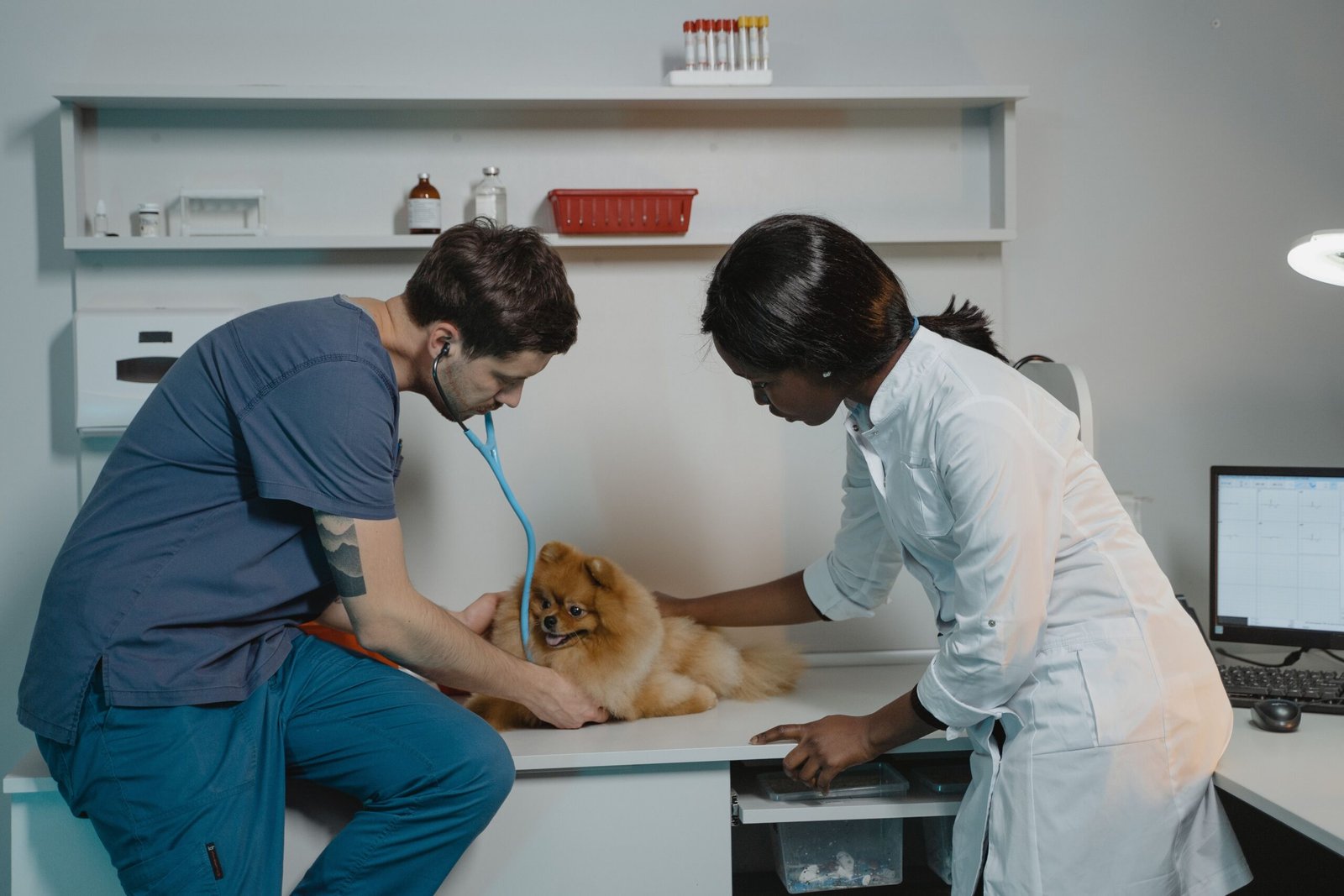
Let me tell you about the worst day of my friend Sarah’s life.
She had a golden retriever named Max. Beautiful dog, sweet temperament, loved everyone. One day, Max started limping. Not a little limp – a bad limp. Sarah could tell something was seriously wrong.
She took him to the vet. The vet ran some tests and came back with the diagnosis: Max needed hip surgery. His hip was deteriorating and without surgery, he’d be in pain and eventually unable to walk.
The surgery was $8,000.
Sarah didn’t have pet insurance. She didn’t even know pet insurance existed, honestly.
So now she’s facing a choice: spend $8,000 on her best friend’s surgery, or let him suffer.
She spent the $8,000. Put it on a credit card. Is still paying it off three years later.
Meanwhile, her coworker had gotten pet insurance for her dog the year before. When her dog needed $12,000 in surgery for a different issue, her insurance paid 80% of it. She paid $2,400 out of pocket.
Sarah looked at me and said: “Why didn’t anyone tell me pet insurance exists?”
That’s what I’m doing now. Telling you.
Why Pet Insurance is Actually Important (Not Just for Rich People)
Okay, I get it. Pet insurance sounds like a luxury thing. Like something you get if you have money to spare.
It’s not.
Pet insurance is actually pretty affordable. And it can save you thousands of dollars when something bad happens.
Here’s the thing: pets get sick. Pets get injured. It’s not a question of if, it’s a question of when.
And vet bills are expensive. Like, shockingly expensive.
Here are some real vet bill costs in the USA:
- Dog hip dysplasia surgery: $3,500-8,000
- Cat urinary blockage (emergency): $1,500-3,000
- Torn ACL surgery: $2,000-4,500
- Cancer treatment: $5,000-15,000+
- Emergency ER visit: $1,000-3,000 just to walk in the door
- Chronic illness management (diabetes, kidney disease): $500-2,000/month ongoing
Now, if your dog gets hip dysplasia and you don’t have insurance, you’re looking at $8,000. That’s not a small number. That’s a car down payment.
But if you had pet insurance? You’d probably pay 20% of that ($1,600) and insurance covers the rest.
That’s not a luxury. That’s smart planning.
How Pet Insurance Actually Works
Okay, so pet insurance isn’t like health insurance for humans. It works differently. And understanding how it works is important before you buy.
Here’s the basic concept:
You pay a monthly premium (usually $30-60 depending on your pet). In return, if your pet needs vet care, insurance helps pay for it.
But here’s where people get confused: pet insurance is typically “reimbursement-based.”
This means:
- Something happens to your pet
- You go to the vet and pay the bill (out of pocket, usually with a credit card)
- You submit a claim to the insurance company with receipts and vet records
- They reimburse you (pay you back) a percentage of what you paid
This is different from health insurance for humans, where the insurance company often talks directly to the doctor and you just pay your copay.
So you have to have money to pay the vet upfront. Then you get reimbursed later (usually takes 2-3 weeks).
Here’s how the money works:
Let’s say your dog needs surgery that costs $5,000.
You have a pet insurance plan with:
- $300/year deductible
- 80% reimbursement
- $10,000 annual limit
So here’s what happens:
You pay: $5,000 to the vet You submit a claim Insurance calculates: $5,000 – $300 deductible = $4,700 eligible They reimburse 80% of $4,700 = $3,760 You get $3,760 back
Your net cost: $5,000 – $3,760 = $1,240 out of pocket
Instead of $5,000, you paid $1,240. That’s huge.
Compare that to Sarah with no insurance: she paid the full $8,000.
Types of Pet Insurance Coverage (What Actually Matters)
There are basically three types of pet insurance plans. Understanding the difference is important because they’re priced very differently.
1. Accident-Only Coverage (The Cheapest)
This covers only accidents. Your dog gets hit by a car? Covered. Your cat gets poisoned? Covered. Your dog tears a ligament playing fetch? Covered.
But illnesses? Not covered. Your dog gets diabetes? Not covered. Your cat gets kidney disease? Not covered.
Price: $15-25/month
Good for: People on a tight budget who just want catastrophic protection from accidents
Bad for: Older pets or breeds prone to certain illnesses
2. Accident and Illness Coverage (The Most Popular)
This is what most people get. It covers accidents AND illnesses.
Your dog gets hit by a car? Covered. Your dog gets diabetes? Covered. Your cat gets cancer? Covered.
Pretty much everything except wellness visits (checkups) and preventative care (vaccines).
Price: $30-60/month depending on age and breed
Good for: Most pet owners. Gives you peace of mind.
Bad for: People with extremely tight budgets
3. Comprehensive Coverage (The Premium)
This covers accidents, illnesses, AND wellness visits.
Yearly checkups, vaccines, dental cleanings, heartworm prevention… all covered.
Price: $50-150/month depending on coverage level and pet
Good for: People who want complete coverage and don’t mind paying more
Bad for: People on a budget
My recommendation: Get accident and illness coverage. It’s the sweet spot. You’re covered for the major stuff (surgeries, hospitalizations, chronic illness) but you’re not paying extra for routine checkups you’d get anyway.
What’s Actually NOT Covered (The Fine Print)
Okay, this is super important because pet insurance companies can be tricky.
There are a bunch of things they won’t cover, and you need to know this BEFORE you buy.
Pre-existing Conditions
If your pet had a condition before you got insurance, it’s not covered.
Example: You adopt a dog from a shelter. The dog has a heart condition. You get pet insurance. The heart condition is NOT covered because it’s pre-existing.
This is why you should get insurance early, ideally when your pet is young and has no health issues.
Hereditary and Breed-Specific Conditions
Some breeds are prone to certain conditions (hip dysplasia in German Shepherds, heart disease in Bulldogs, etc.).
Some insurance companies won’t cover these. Others cover them but charge more.
Read the fine print for your breed.
Chronic Conditions After the First Year
Some plans stop covering a chronic condition if it hasn’t been treated within a certain time period.
Example: Your dog has allergies. You treat them in year 1. In year 2, you don’t treat them (they’re better). In year 3, the allergies come back and now insurance won’t cover them because there’s been a gap.
Wellness Visits and Preventative Care
Most basic plans don’t cover yearly checkups, vaccines, or preventative medications.
You need a “wellness add-on” to cover this stuff.
Behavioral Issues
If your dog eats your couch or your cat destroys your curtains, that’s not covered. Pet insurance covers medical issues, not damage.
Dental Cleaning
Some plans cover dental cleaning only if it’s treatment for a disease, not preventative cleaning.
Age Limits
Some companies stop accepting new pets at a certain age (like 10 years old).
Most stop covering pets once they reach a very old age (like 15+).
Read the policy. Seriously. Don’t just look at the price. Look at what’s actually covered and what’s excluded.
When to Get Pet Insurance (The Best Time is NOW)
Here’s the thing about pet insurance: the best time to get it is when your pet is young and healthy.
Why? Because:
- Premiums are cheaper for young pets. A 1-year-old dog might be $30/month. A 7-year-old dog might be $70/month.
- Pre-existing conditions don’t apply yet. Your young pet has no health issues, so everything is covered.
- You’re covered for their entire life. You get insurance early, and they’re protected for everything that comes up later.
If you wait until your dog is 8 years old and has already had health issues, insurance companies will exclude those issues and charge you way more.
So the answer is: get it now. Don’t wait.
Even if you think “my dog is healthy, why would I need insurance?” – that’s exactly why you should get it. Because you’re buying it when they’re healthy and everything’s covered.
Real World Example: Why Insurance Actually Saves Money
Let me break down what happened to two of my friends.
Friend A: No Insurance
Dog gets cancer at age 7.
Chemo treatment: $8,000 Surgery: $4,000 Ongoing medication and monitoring: $200/month for 2 years = $4,800
Total out of pocket: $16,800
Friend B: Has Insurance
Same dog, same cancer, same treatment.
Insurance plan: 80% coverage, $500/year deductible
Chemo treatment: $8,000 → Insurance pays $6,400, friend pays $1,600 Surgery: $4,000 → Insurance pays $3,200, friend pays $800 Ongoing care: $4,800 → Insurance pays $3,840, friend pays $960
Total out of pocket: $3,360
Friend B paid $16,440 LESS because of insurance.
How much did they pay in premiums over those years? Let’s say $40/month = $480/year.
Over 7 years, Friend B paid about $3,360 in premiums. But saved $16,440 on medical bills.
That’s a $13,000 net savings.
Versus Friend A who had no insurance and paid $16,800 out of pocket.
That’s the difference.
Choosing the Right Plan (What to Actually Look For)
Okay, so you’re convinced you need pet insurance. How do you pick a plan?
Look at these things:
- Reimbursement percentage: 80-90% is standard. 70% is lower. Make sure it’s high.
- Deductible: $250-500 is typical. Higher deductible = lower premium. Lower deductible = higher premium. Pick what makes sense for your budget.
- Annual limit: Some plans have $10,000 limits. Some have $20,000. Some have unlimited. Higher limit is better but costs more.
- What’s excluded: Read the exclusion list. Make sure your pet’s breed issues aren’t excluded.
- Waiting periods: Most plans have 14-day waiting periods for illnesses and 0 days for accidents. Some are longer. Shorter is better.
- Reviews: Google the company. Read what actual customers say. Are they easy to work with? Do they actually pay claims?
Popular companies in the USA:
- Healthy Paws (best reviews, highest reimbursement)
- Embrace (good for chronic conditions)
- ASPCA Pet Health Insurance (ASPCA-backed)
- Nationwide (been around forever)
- Figo (newer, mobile app)
Get quotes from 2-3 companies. Compare them. Pick the one that fits your budget and offers good coverage.
Your Action Plan This Month
This week:
Decide what type of coverage you want (accident-only, accident+illness, or comprehensive).
Research 2-3 pet insurance companies.
Next week:
Get quotes from these companies for your pet (you’ll need your pet’s age and breed).
Compare the quotes. Look at:
- Monthly premium
- Deductible
- Reimbursement percentage
- Annual limit
- What’s excluded
Week 3:
Read the full policy documents for your top choice. Seriously, read them. Look for exclusions.
Week 4:
Sign up. Get your pet enrolled.
Now you can sleep at night knowing that if something bad happens, you’re not looking at a $10,000+ vet bill.
Final Thoughts: Your Pet Deserves This
Look, I get it. Money is tight. Another monthly bill feels impossible.
But think about it this way: if something bad happens to your pet tomorrow, could you afford $5,000? $10,000?
Probably not. Most people can’t.
But $40-50/month? That’s doable. That’s one less coffee per day.
And that $40/month buys you peace of mind. It buys you the ability to say yes to surgery without going into debt. It buys you the ability to treat your best friend without financial stress.
Sarah would have paid $40/month for 7 years ($3,360 total) to avoid that $8,000 surgery bill. That seems like a really good trade.
Don’t be like Sarah. Don’t wait until there’s a problem.
Get pet insurance this month. Your future self (and your pet) will thank you.
Let’s go.